
Latest Insights on RETA
 Options Arena: The More, the Merrier? February 6, 2022 Investing, Oil, Options Arena, Trading Strategies, True Options Masters In today's Options Arena, our experts duke it out on a major movement happening right now: the push to "democratize" investing.
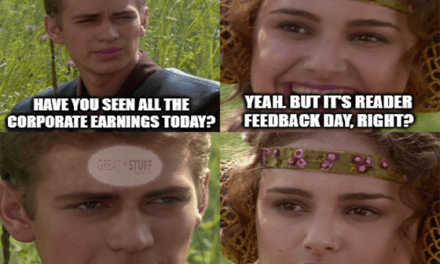 Friday Feedback: Pinterest Snaps, Analyst Target Practice February 4, 2022 Great Stuff Friday Feedback: The “Why Can’t I Hold All These Earnings” Edition Earnings, earnings everywhere … and more than a few drops to drink. Yes, it’s Friday Feedback, but I’d be remiss if I didn’t alert you to some rather big earnings news today. And we’re talking really big, so let’s get to it, Great Ones. […]
 Meta’s Mega Crash Explained February 4, 2022 Big Picture. Big Profits., News, U.S. Economy In the few moments before I wrote this, I posted three things to Facebook (New Yorker cartoons, if you’re wondering).You know who has never posted a single thing to Facebook? My teenage daughter. And that’s a big problem for the company now known as Meta.
 Nike’s Metaverse World Is the Future of E-Commerce February 3, 2022 Technology, Winning Investor Daily Nike and other sneaker companies don’t make any money from resales. But thanks to the metaverse, that’s about to change…
 What the Smart Money Did on Friday and Monday February 2, 2022 Big Picture. Big Profits., News, U.S. Economy My reaction to those big up days was probably like yours. Momentum (aka growth) stocks in The Bauman Letter’s model portfolio have taken a beating since the beginning of the year. So has my personal portfolio. So, when those stocks jumped like a frog off a hot highway on Friday and Monday, I breathed a sigh of relief.“ The worst must be over. The smart money is piling back in.” That’s what I wanted to think. But the facts tell a different story … and prove why smart investors ignore short-term moves like these.
MEET OUR EXPERTS

Director of VIP Services
Founder of TRADEMONSTER.ai
Founder of Weekend Trader
Research Analyst
Chief Strategist of Strategic Fortunes and three elite services
Chief Investment Strategist of Money & Markets