


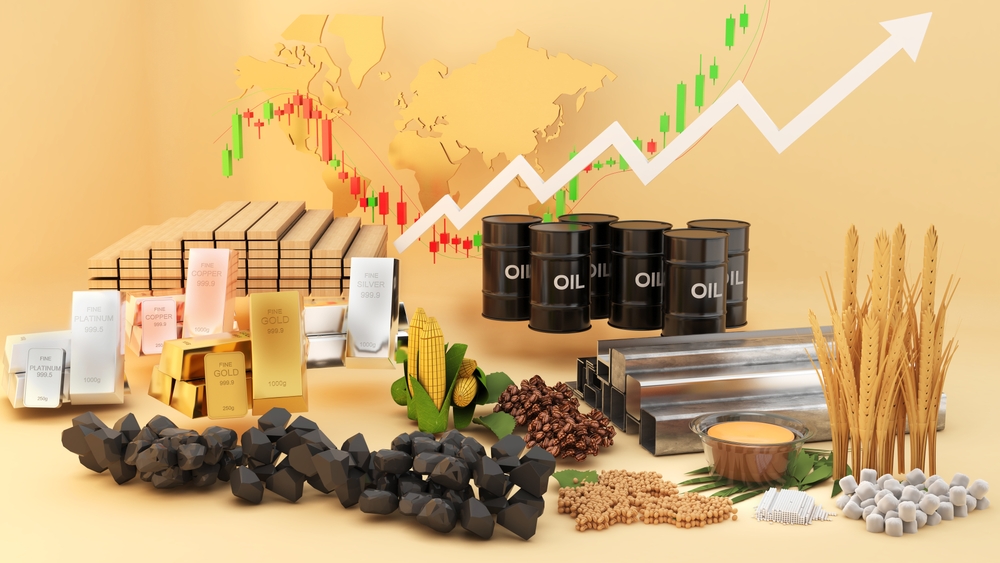
Learning how to start commodity trading is a smart move for any trader who wants to better understand how supply, demand and global market trends impact price action across sectors.
Even if you’re focused on stocks like I am, building your trading knowledge account by understanding how commodities influence broader moves in the market can give you a sharper edge.
You don’t need to trade commodities directly, but recognizing their influence can help you better time trades, spot volatility and stay a step ahead of less-prepared traders.
Commodity markets work by connecting buyers and sellers of raw materials like oil, gold and agricultural products through contracts traded on regulated exchanges.
These contracts represent an agreement to buy or sell a set amount of a commodity at a specific price on a future date.
The commodities market is driven by supply and demand, geopolitical shifts, weather patterns and even economic data that influence prices for everything from crude oil to wheat.
Most commodity trading happens through financial contracts rather than physical delivery.
Traders use futures contracts to speculate on commodity price movements without needing to own the actual assets.
These contracts are standardized and traded on exchanges like the Chicago Mercantile Exchange (CME) or the Intercontinental Exchange (ICE).
Spot trading also exists, but futures dominate because they allow for greater leverage and structured trading.
I’ve spent over two decades helping traders understand how outside catalysts affect prices.
Commodity price swings often trigger sympathy plays in small-cap stocks, which can create short-term trading opportunities.
Learning how these markets work isn’t just about commodities — it’s about gaining better insights into the price action that matters for your strategy.
Underneath the specifics, the mindset of successful traders stays the same.
How To Start Trading Commodities: Step-By-Step Guide
Starting in commodity trading means understanding what you’re trading, having the right tools, and protecting yourself from unnecessary risk.
You don’t need to be a full-time commodity trader to benefit — sometimes just knowing how these markets move can help you spot setups in related stocks, especially during sector momentum shifts.
Let’s break it down into 5 simple steps.
1. Learn the Basics of Commodity Trading.
The first step to trading commodities is learning how these markets function and what moves them.
Commodities like oil, gold, silver, wheat, and natural gas are traded globally, with prices affected by everything from supply chain disruptions to interest rate changes.
Each asset has its own price behavior, trading volume, and catalyst drivers.
Traders need to understand the difference between spot markets and futures markets.
Spot prices refer to the current market value for immediate delivery, while futures prices are based on contracts with a set expiration.
Learning how futures contracts work — including contract sizes, expiration dates and margin requirements — is a must.
Just like with stocks, price volatility creates both opportunity and risk. It’s your job to know what you’re dealing with before jumping into a trade.
I teach traders to build a foundation before they risk real money. Whether it’s stocks or commodities, your knowledge account must grow faster than your brokerage account.
2. Choose the Right Commodity to Trade.
Choosing the right commodity to trade comes down to what you understand best and how well you can track its price drivers.
Different commodities have different trading rhythms and catalysts.
Gold often reacts to inflation fears and currency shifts, while crude oil prices swing based on OPEC decisions, geopolitical tensions, or inventory data.
Agriculture-based assets like wheat, corn and cotton are heavily influenced by seasonal patterns and weather.
Beginners often start with commodities that have high liquidity, like gold, crude oil or natural gas. These assets offer tighter spreads and more trading opportunities due to higher volume.
You’ll also find more educational resources and data to study. Don’t jump into exotic commodities or thinly-traded contracts if you’re not ready.
I’ve seen traders blow up accounts chasing something they didn’t fully understand. Stick to what you can track, analyze, and react to.
It’s not about trading everything — it’s about trading smart.
3. Open a Trading Account.
Opening a trading account for commodities is similar to stocks, but you need a broker that supports commodity futures or ETFs.
This might mean opening a margin-enabled brokerage account that meets the requirements for futures trading.
Some brokers specialize in commodity trading, offering direct access to exchanges and tools like level 2 data or depth of market.
Make sure your broker is regulated and provides access to the contracts or funds you want to trade.
Costs matter — watch for commissions, spreads, and margin interest. If you’re trading futures contracts, you’ll also need to meet initial and maintenance margin requirements, which vary based on the asset.
I tell my students: don’t skip the boring stuff.
Understanding your broker’s platform, fees and order types can save you from unnecessary losses. You can’t control the market, but you can control how you prepare.
4. Set a Budget for Trading.
Setting a trading budget means deciding how much capital you can afford to risk without damaging your long-term financial health.
Commodities can move fast, and many contracts use leverage — meaning even small price swings can lead to large gains or losses.
That’s why defining your max loss per trade and max daily or weekly loss is not optional.
Don’t try to trade like a hedge fund. Start small.
If you’re trading a gold futures contract, know the tick value and margin requirements. If you’re using ETFs like a gold or oil fund, understand the expense ratios and volatility.
Your budget should also include education and data tools. Those costs add up but help build consistency.
I’ve never traded commodities directly, but I’ve watched countless traders blow up because they sized too big, too soon.
Your goal is to stay in the game long enough to get better. That only happens if you manage risk like a professional from the start.
5. Understand Risk Management Strategies.
Understanding risk management in commodity trading is the difference between surviving and blowing up your account.
Price volatility is higher in these markets because commodity prices can be affected by unpredictable events — from weather to war.
That’s why stop losses, position sizing and having a defined strategy are critical.
Use limit orders to control your entries and exits. Set stop losses based on technical levels or contract volatility.
Don’t over-leverage just because a broker allows it.
Futures contracts can require only a fraction of the total cost as margin, but that also magnifies losses. Always know your exposure.
In my trading education, I stress that risk control is the real edge. Everyone wants to talk about profits, but the traders who last are the ones who respect risk every single day.
Stocks or Commodities — Stick to Your Trading Plan
Commodity trading can help traders build broader market knowledge, even if they never make a single trade in oil or metals.
It’s a fast-moving market that demands clear strategy, risk control and continuous learning.
The same mindset I teach for stocks — preparation, discipline, pattern recognition — applies here.
This is a market tailor-made for traders who are prepared.
Commodities thrive on volatility, but it’s up to you to capitalize on it. Stick to your plan, manage your risk, and don’t let FOMO drive your decisions.
These opportunities are fast and unpredictable, but with the right strategy, you can make them work for you.
If you have any questions, email me at SykesDaily@BanyanHill.com.
Cheers,

Tim Sykes
Editor, Tim Sykes Daily
